
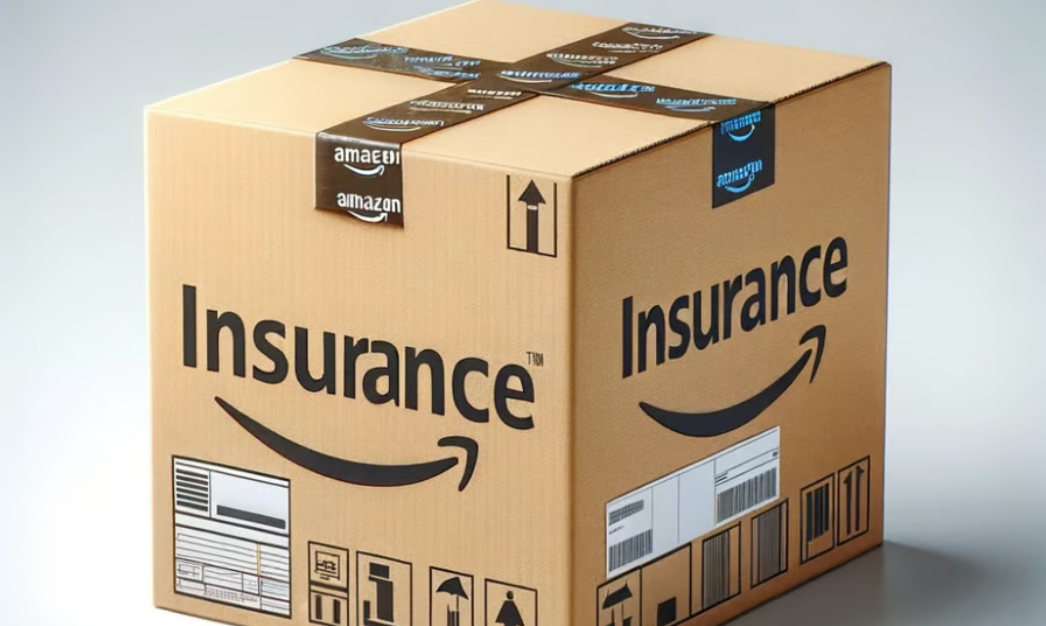

Introduction: Is Amazon’s Insurance Journey Really Over?
Despite ceasing its operations on the Insurance Store in UK, it might have been not a complete retreat from the insurance industry for Amazon. Many believe this short experiment could become an eye-opening moment instead of full stop. Given Amazon’s consumer base, technical skills, and history of moving into various sectors, the company might enter the U.S. Market more strategically. Although the operation only took off for roughly 15 months before shutting down, Amazon has gained significant knowledge on consumers behavior, distribution of online insurance, and difficulties in a well-established market. Industry specialists indicate these lessons might influence future plans in areas that online insurance comparison services are not yet prevailing.
Why Amazon’s UK Insurance Experiment Struggled
When it launched in the UK, the Amazon Insurance Store was an online comparison service that enabled customers to compare home insurance cover from contributing insurers. It was intended that using the service would make shopping for insurance easier, as it would utilize the established convenience and customer-focused approach that customers already associated with Amazon.
Despite this, the UK was not an ideal environment for Amazon’s service to thrive in. Online insurance comparison sites already had a large market presence in the UK market that allowed customers to find good deals for their policies, generating a huge amount of competition between the insurers and brokers that utilize these sites. Since they were already comfortable comparing insurance on established websites, customers did not see the need to compare insurance on another platform and Amazon was unable to gain a significant competitive edge against the comparison industry. Analysts from the insurance sector stated that it was difficult for Amazon to be competitive, as it was going up against an incredibly mature comparison industry that was built up over years by acquiring customer confidence and market share.
Ultimately, the company withdrew from the service as a result of an internal assessment; this had the effect of closing the service less than two years after it had first begun. The service still offered Amazon information about customer interaction on digital insurance platforms.
Why the U.S. Market Could Be Different
The UK experiment was short lived, however there are several distinctions between the UK insurance environment and that in the U.S. In the U.S., insurance purchase behavior is still highly dominated by direct writers, captive agents, and independent agents. There are several online comparison websites, however they have not yet become as influential in customer purchasing behavior. This would offer opportunity for a technology-based company that can present various insurers in a single, user-friendly format to a potential customer. Many of the capabilities required to successfully operate an insurance exchange would already be present at Amazon, including their data analytics expertise, search engine optimization and digital marketing capability and their strong and well-known consumer brand. If Amazon was to enter U.S. Insurance again, it could leverage its existing business to simplify insurance purchasing.
How Technology Could Reshape Insurance Distribution
The question is what the actual disruption Amazon will bring to the insurance sector will be? Can technology companies really revolutionize the distribution of insurance products? Customers are already accustomed to fast and easy digital transactions in every sector and have come to expect the same level of service in financial products too. Insurance differs from most retail products as often its purchase requires advice from an agent and personalized recommendations. However, thanks to artificial intelligence, digital underwriting, and automation of customer service processes, buying insurance online and over the web are rapidly becoming simpler for customers, and technology firms are likely to see an opportunity in “cleaning up” and streamlining those processes to customer convenience and insurer efficiency. Amazon’s skills in personalized services and user experience seem like they could allow to cover the gap between traditional insurance distribution and customer needs.
Challenges Amazon Would Face in the United States
The challenges that Amazon would face if they expanded their participation in insurance are numerous, but would be of particular importance on three issues. The first of these would be regulation, since, in the US, insurance is regulated primarily at the state level, and in order for an insurer to sell in any number of states, there must be an adequate licensing structure and compliance requirements in place in all such states. The second would be carrier buy-in. Some carriers might resist joining such a platform since it would increase price competition and reduce the possibility of differential pricing. Insiders in the insurance industry have long argued over whether comparison sites do in fact lead customers to concentrate more on price rather than the value of coverage or the quality of service. Finally, customer trust would also be significant. Though the company is very trusted as a retailer of goods and services, decisions on insurance are often ones of financial protection over many years, involve many complexities, and many people will still prefer guidance from a licensed agent.
What Amazon’s Insurance Experiment Means for the Industry
Regardless of whether Amazon returns to the insurance game, its sojourn highlights a larger movement in the financial industry. Technology is fundamentally reshaping the insurance sector, driven by shifting consumer behavior and competition from non-traditional players. “Whether they win or lose there, this is a trend you will continue to see with tech companies looking to enter financial services.” he notes. Insurers and traditional agents might not see Amazon as a direct, existential threat yet. However, Amazon’s foray into insurance underscores that customers’ desires are changing and firms focused on building compelling digital experiences, improving turnaround times and driving transparency will fare better going forward. “Insurers have historically been through similar disruptive events driven by new technology and the entry of big tech would only bring accelerated innovation,” says Wargnier.
Conclusion
Though Amazon may have shuttered its Insurance Store in the United Kingdom, it is probable that its saga in the insurance industry is only in its opening chapters. It may have learned from its initial failure, but it clearly has the ambition to extend its business model into areas not previously associated with retail.
Although it faces a difficult regulatory environment, competitive market and high customer expectations, the U.S. Market offers a unique proposition with individual opportunities. It continues to be a dynamic and fast changing industry with the use of technology bringing significant disruption. Amazon has the capability more than most companies to ride on these disruptive trends and become a successful player in most if not all sectors that it enters.
There is no hint that it is readying itself for a U.S. insurance launch anytime soon but as it has shown before the company is hardly one to shy away from any perceived opportunity and it is unlikely to remain on the sidelines forever.